Top Strategies for Successful ATM Deployment Across the USA


Understanding the ATM Deployment Landscape
Deploying ATMs across the USA involves strategic planning and execution. With the right approach, financial institutions can expand their reach and enhance customer convenience. This blog post explores top strategies to ensure successful ATM deployment.
Analyzing Market Demands
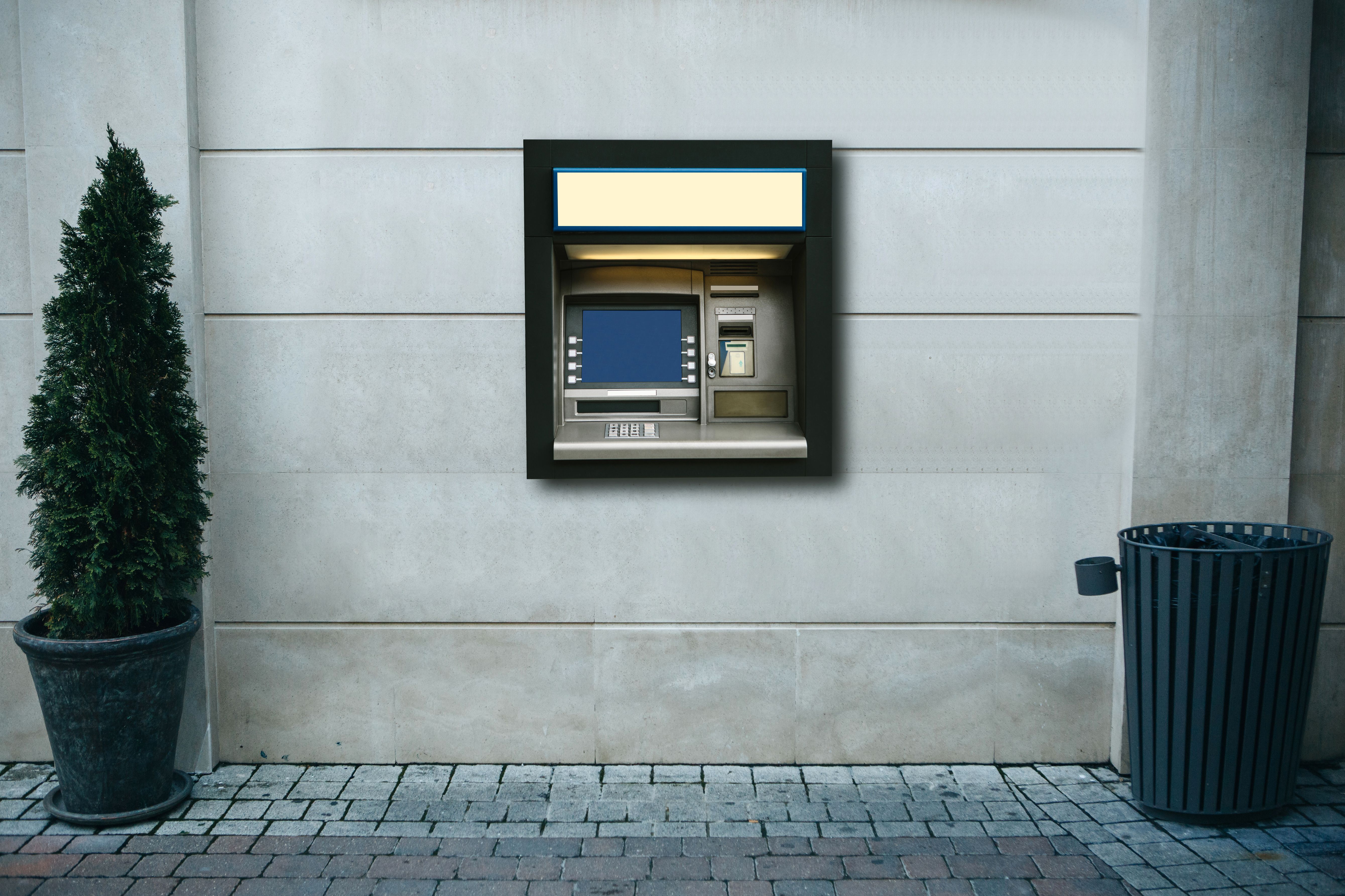
Understanding the market demand is crucial for effective ATM deployment. Financial institutions should analyze demographic data, transaction volumes, and customer preferences. By identifying high-traffic areas and underserved markets, banks can strategically place ATMs to maximize usage.
Conducting surveys and gathering feedback from existing customers can provide valuable insights into desired ATM locations. This data-driven approach helps in making informed decisions, ensuring that the deployed ATMs meet customer needs efficiently.
Choosing the Right Locations
Location is a critical factor in ATM deployment. Placing ATMs in accessible, secure, and high-visibility areas is essential. Consider locations like shopping malls, airports, and busy commercial districts. These areas typically have high foot traffic, increasing the likelihood of ATM usage.
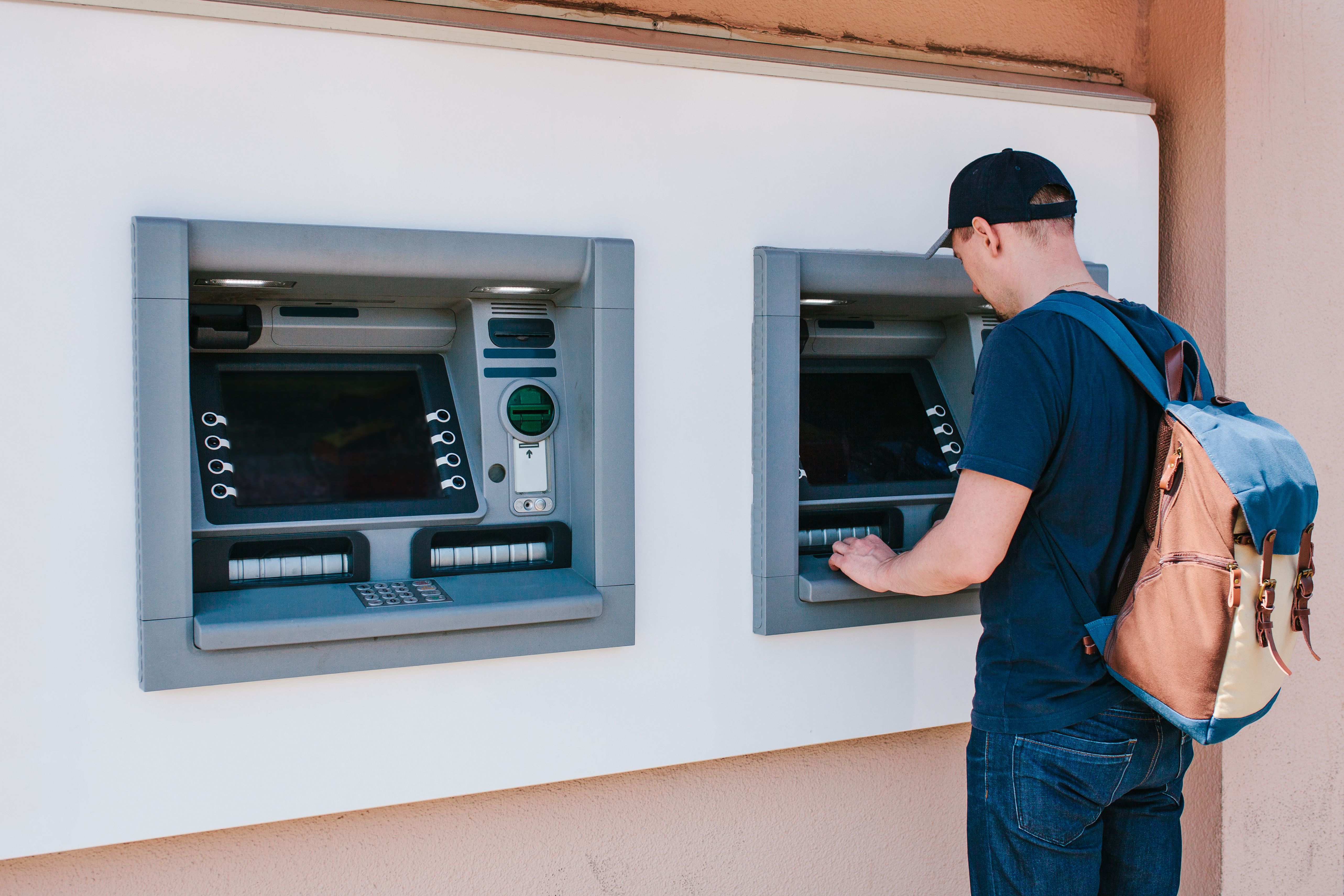
Additionally, partnering with local businesses can provide mutually beneficial opportunities. For instance, placing ATMs in convenience stores or gas stations can drive more customers to both the ATM and the business itself.
Ensuring Security and Compliance
Security is paramount when deploying ATMs. Implementing robust security measures like surveillance cameras, alarm systems, and anti-skimming devices can protect both the ATM and its users. Compliance with federal and state regulations is also essential to avoid legal issues and maintain customer trust.
Regular maintenance and updates ensure that ATMs function smoothly and securely. Scheduled inspections help identify potential vulnerabilities, allowing quick resolution before they affect operations.
Leveraging Technology for Efficiency
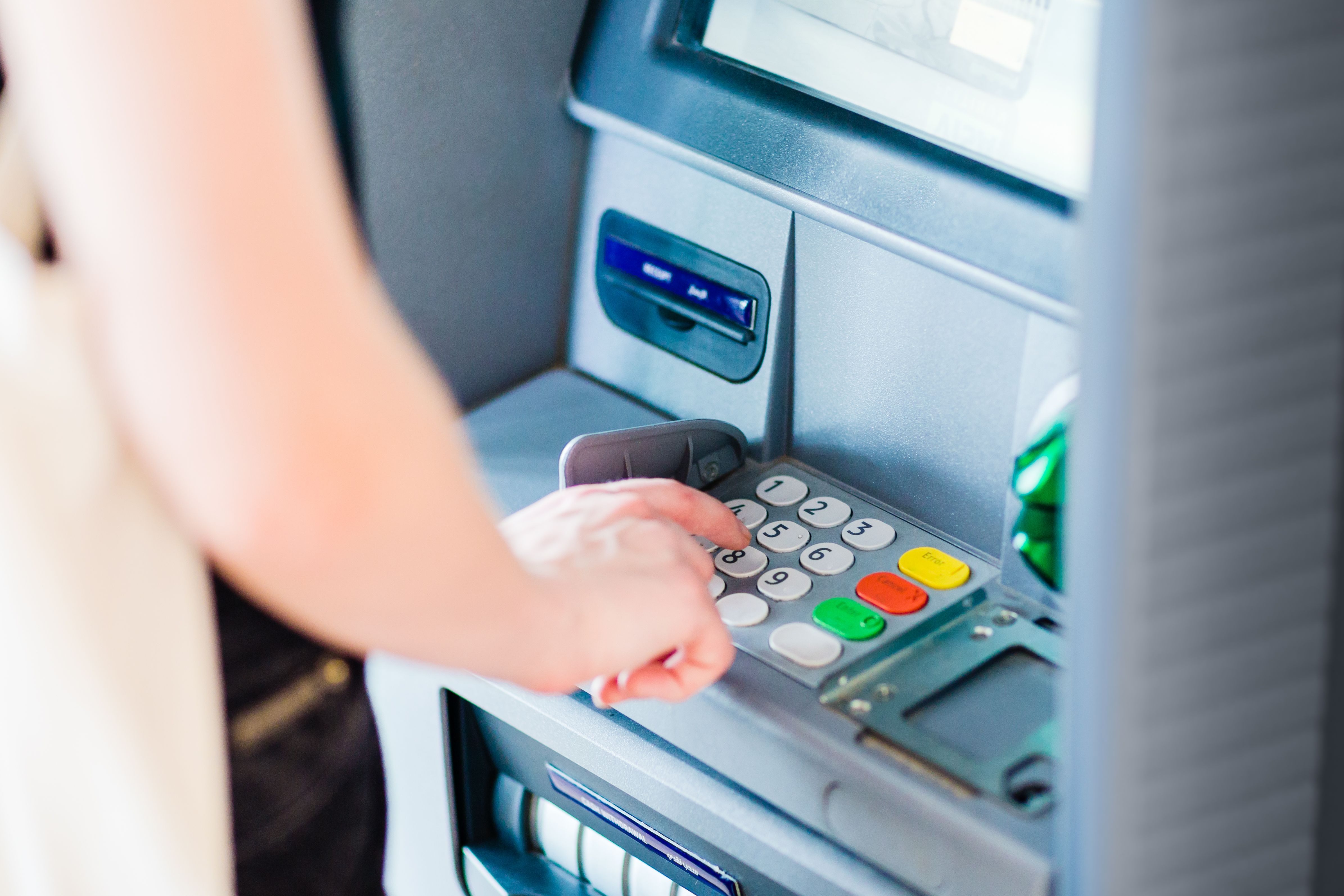
Modern ATMs offer a range of functionalities beyond cash dispensing, such as deposits, bill payments, and account inquiries. By integrating advanced technologies, banks can offer a comprehensive service experience. Contactless transactions and mobile wallet integrations further enhance user convenience.
Remote monitoring systems can track ATM performance in real-time, enabling proactive maintenance and reducing downtime. This technological edge ensures that ATMs remain operational and reliable, boosting customer satisfaction.
Marketing and Customer Engagement
Effective marketing strategies can drive awareness and usage of newly deployed ATMs. Utilizing social media, email campaigns, and in-branch promotions can inform customers about new ATM locations and features. Highlighting unique services or benefits can attract more users.

Engaging with customers through feedback mechanisms and surveys can provide insights into their experiences and preferences. This ongoing dialogue helps in refining ATM services and ensuring they align with customer expectations.
Conclusion
Successful ATM deployment across the USA requires a strategic approach that encompasses market analysis, location selection, security, technology, and marketing. By addressing these key areas, financial institutions can enhance accessibility and customer satisfaction, ultimately driving business growth. Implementing these strategies ensures that ATMs serve as valuable assets, providing convenience and efficiency to users nationwide.